
About Me
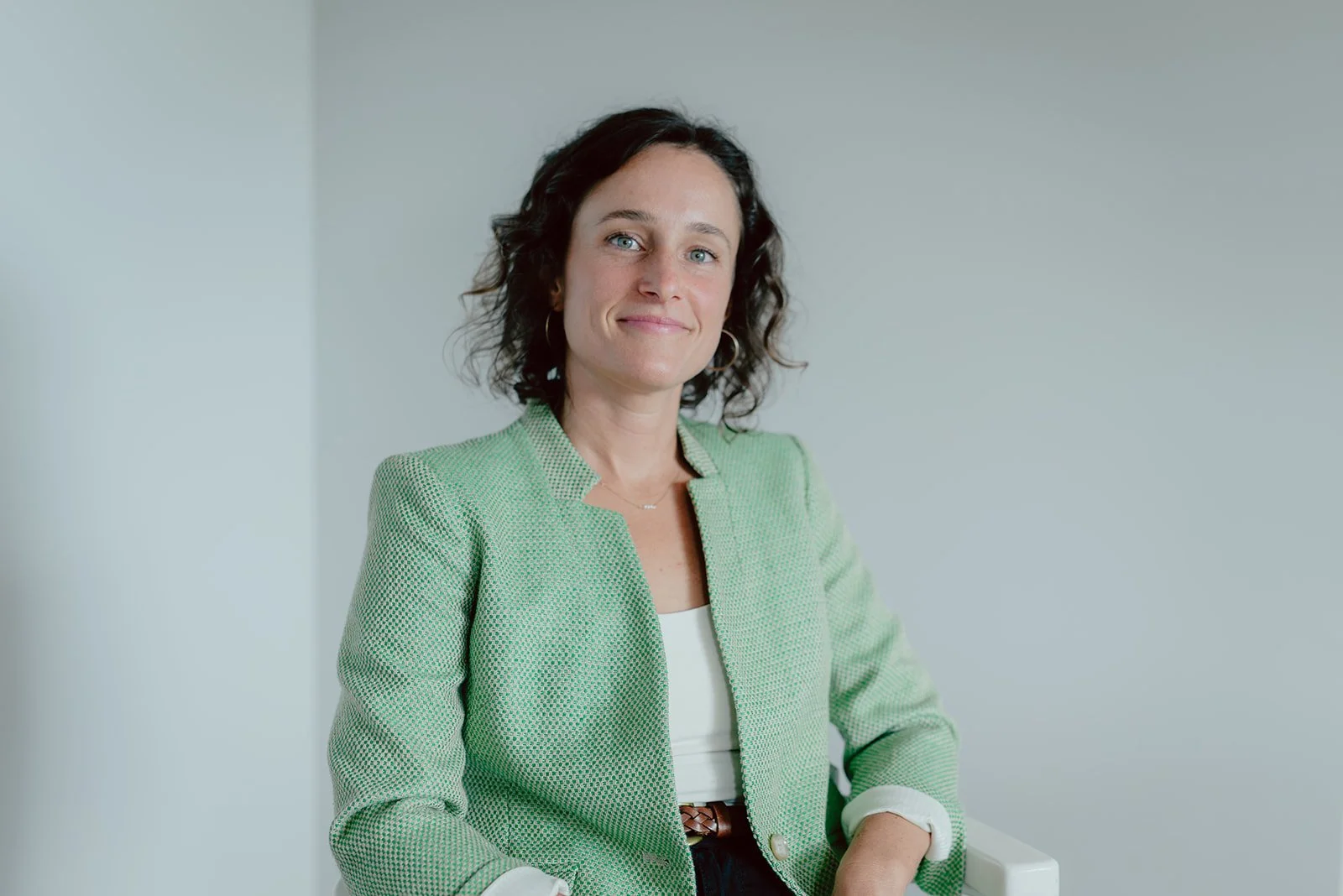
I am a spatial designer, expressive arts therapist, facilitator, and artist based on the Sunshine Coast, BC.
I’m interested in the relationship between the spaces we create, the lives we live within them, and the many ways our inner and outer worlds influence one another.
This curiosity has led me along an interdisciplinary path through engineering, architecture, expressive arts therapy, and facilitation, alongside an ever-evolving personal artistic practice.
Together, these threads have shaped the perspective I bring to my work — one that integrates the practical and emotional dimensions of the environments we inhabit and the experiences that shape our lives.
Julia Booth | M.Arch, B.Eng | RTC
Master of Architecture | University of British Columbia
Bachelor of Engineering | McGill University
Diploma in Expressive Arts Therapy | Vancouver Art Therapy Institute
Registered Therapeutic Counsellor | Association of Cooperative Counsellors of Canada
Julia Booth | M.Arch B.Eng | RTC
Master of Architecture |
University of British Columbia
Bachelor of Engineering |
McGill University
Diploma in Expressive Arts Therapy |
Vancouver Art Therapy Institute
Registered Therapeutic Counsellor |
Association of Cooperative Counsellors of Canada
My background spans 15 years of study and practice in architecture and engineering.
I have worked on projects ranging from single-family homes and multi-unit housing to more complex buildings, including community and cultural centres, through firms in Vancouver, Toronto, and Edmonton.
While I was drawn to the practical and creative aspects of designing buildings, I felt something important was missing.
During a project, clients are living with significant stress, uncertainty, and change — on top of the demands of everyday life. And yet, fully acknowledging the client’s lived experience falls outside the scope of traditional design practice — so they are likely tending to that with their therapist in another room.
At a certain point, I stepped away from the built, external world of design and turned toward my inner, emotional and creative world.
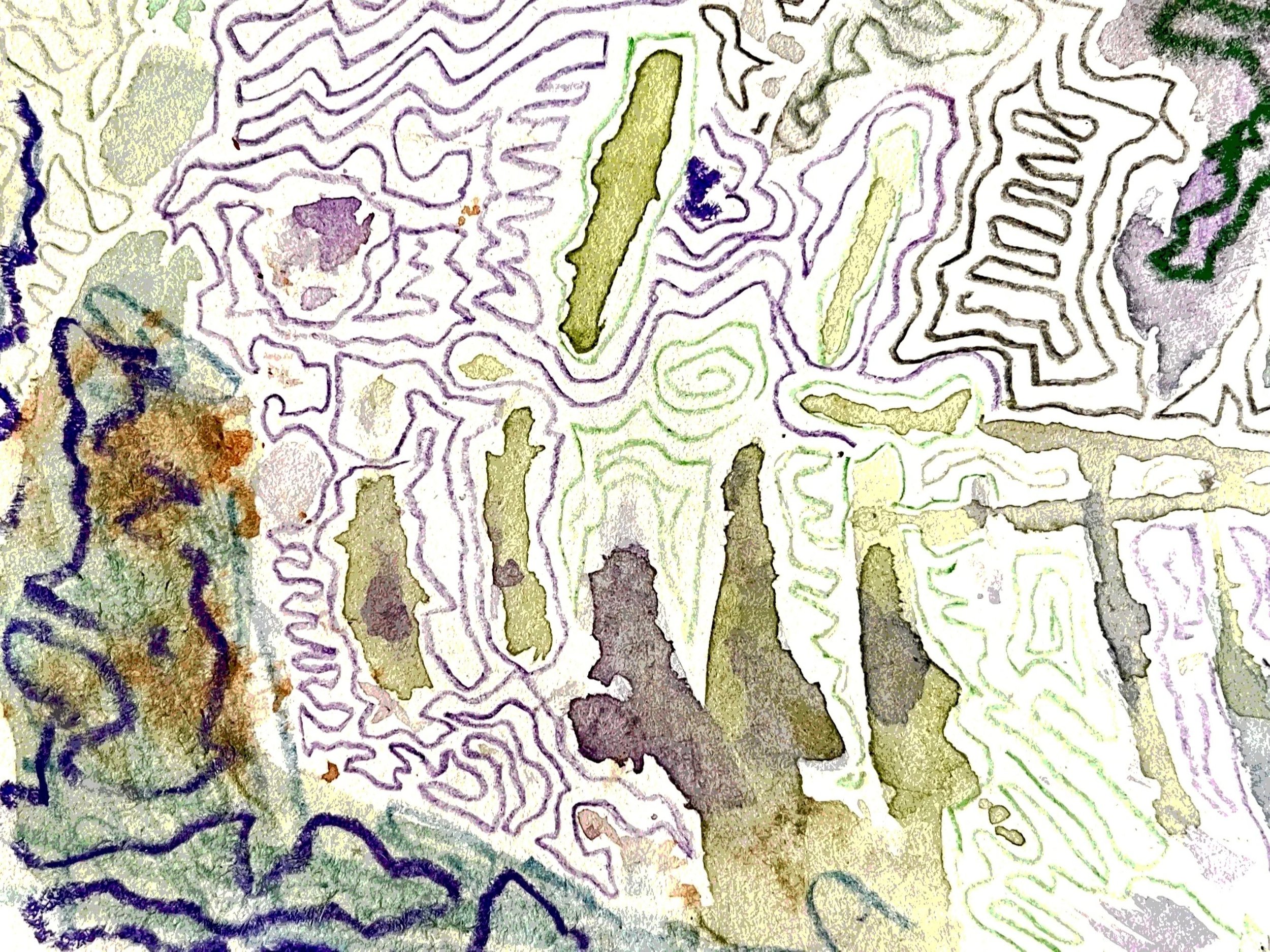
I studied and practiced as an expressive arts therapist, where I deepened my understanding of creative expression as a resource for insight, navigating change, and connection.
I began to see how the worlds of spatial design and expressive arts are connected.
Designing spaces isn’t just a technical process.
It’s emotional.
It’s personal.
It asks questions about how we want to live, what we value, and what we are making space for in our lives.
The design process is inseparable from the human experience of living through it.
I started to understand that both can be held within the same process.
What once felt like a missing piece began to feel like a space I was being called to step into.
My work now brings together spatial design, expressive arts therapy, and facilitation.
I support people through the design journey, facilitate collaborative processes for design teams, and provide expressive arts therapy for individuals and groups.
Across all of my work, I draw on creative expression and emotional awareness to support how people navigate change, make meaning, communicate, and shape the environments and relationships that surround them.
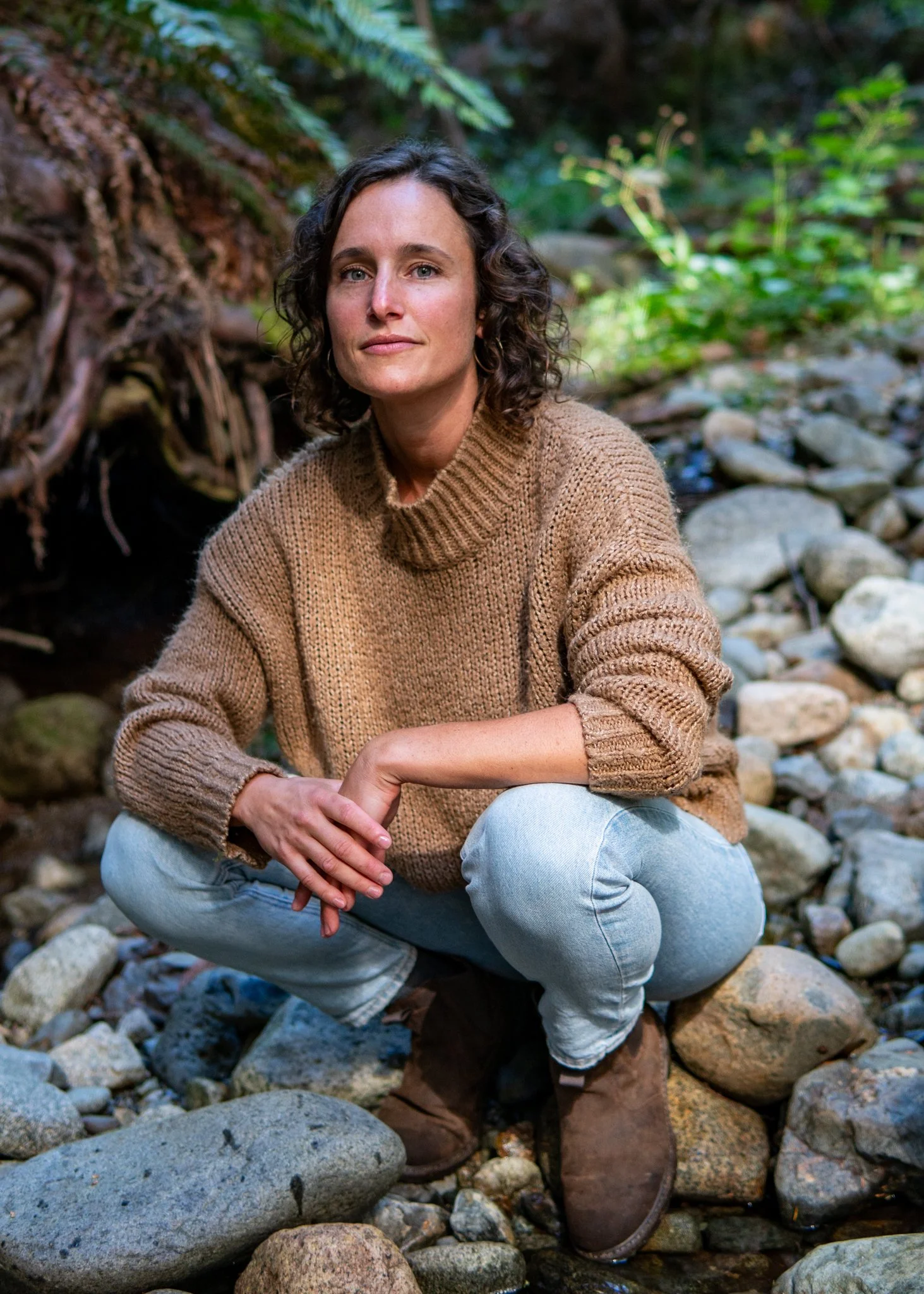
Home, place, expression, connection, and belonging are themes that run throughout my work. These conversations exist within a broader relationship to the land and to the Indigenous peoples who have cared for it for countless generations.
I am grateful to be living, working, and creating on the traditional and unceded territories of the Sḵwx̱wú7mesh Úxwumixw (Squamish) and shíshálh (Sechelt) Nations.
May we continue learning how to care for these lands, and for one another, with respect, humility, and reciprocity.