
Collaborative Design Facilitation
Helping design teams, clients, and communities come to a shared vision and meaningfully shape the spaces being created.
With a background in architecture and expressive arts facilitation, I bring an understanding of the design process together with creative, accessible approaches to working with groups.
I provide facilitation for teams and projects where collaboration and participatory engagement are central to the design process.
With a background in architecture and expressive arts facilitation, I bring an understanding of the design process together with creative, accessible approaches to working with groups.
I provide facilitation for teams and projects where collaboration and participatory engagement are central to the design process.
Ways to work together
Strengthen collaboration and approach design challenges from new perspectives.
Discover more inclusive ways to meaningfully participate in the design process.
My approach
Creative facilitation strengthens teams from the inside.
Design teams can become accustomed to familiar modes of thinking and problem-solving. I facilitate internal team processes that create space to step outside those patterns, explore ideas from different perspectives, and approach complex design challenges in new ways.
New creative experiences can also shift how teams communicate and collaborate, creating opportunities to build trust, strengthen connection, and develop a shared sense of direction.
Participation is more than having a seat at the table.
While community engagement is increasingly expected in the design process, conventional consultation doesn’t always create the conditions for everyone to participate fully. People familiar with design processes may find it easier to navigate them and speak up, while others may have valuable perspectives but feel less comfortable expressing themselves.
Engagement can also generate a large volume of feedback without creating a shared understanding of what matters or how that input will influence the design.
My role is to help facilitate processes where participation becomes an active part of shaping the project, and to help ensure that what is heard is meaningfully carried forward into the design.
Creative participation creates more meaningful engagement.
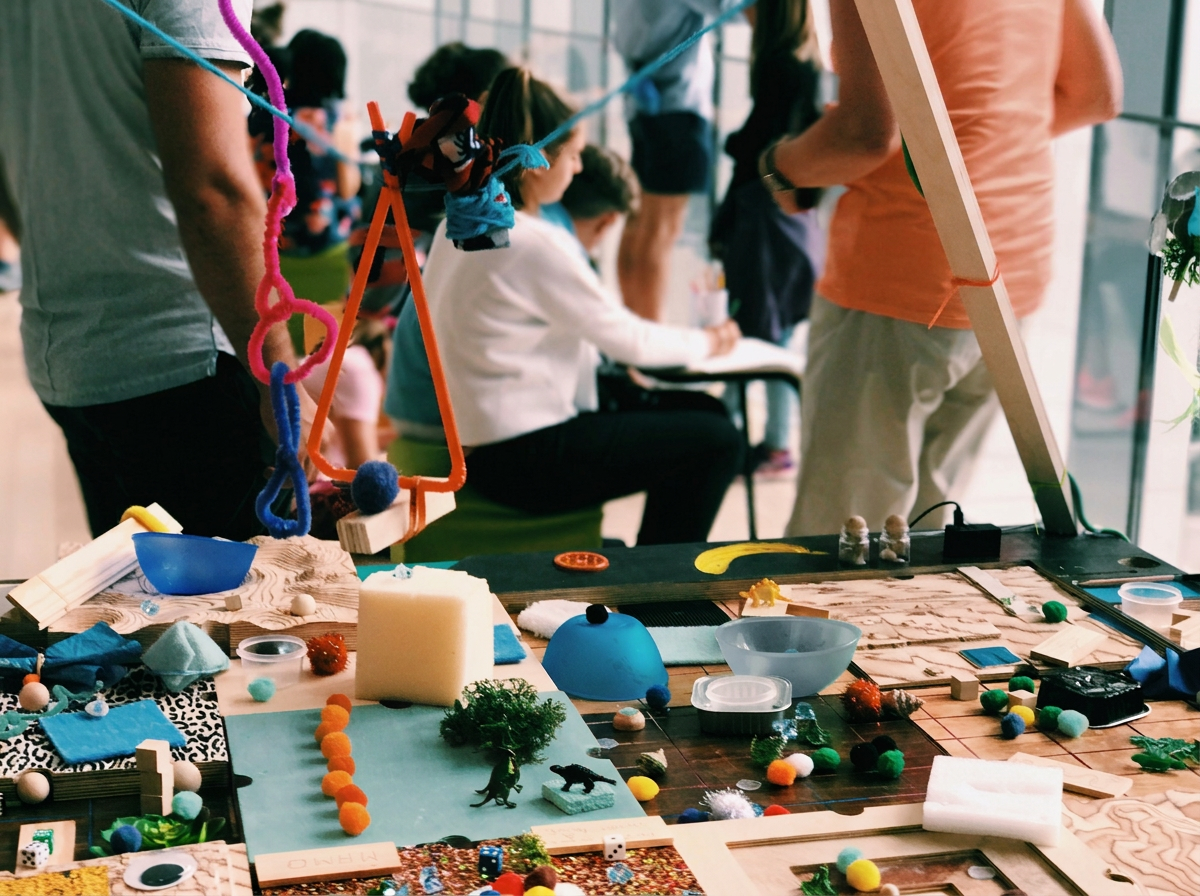
Rather than relying solely on discussion, presentations, verbal feedback, and conventional meeting processes, I use a range of accessible activities such as drawing, writing, image-making, hands-on building, movement, games, and visual mapping to help people explore ideas and communicate what matters to them.
These methods create different entry points for participation. They help quieter voices emerge, make abstract ideas tangible, and give groups a shared experience from which to develop ideas together.
The goal isn't to turn everyone into a designer – it's to create a setting where people can contribute their own knowledge and experience without needing to already understand the language or conventions of design.
Types of projects and teams I work with:
Architecture and design firms
Multidisciplinary design teams
Projects involving Indigenous or community engagement
Public, community and cultural spaces
Housing and community developments
Facilitation opportunities:
Strengthening collaborative processes within design teams
Project kickoffs and shared visioning
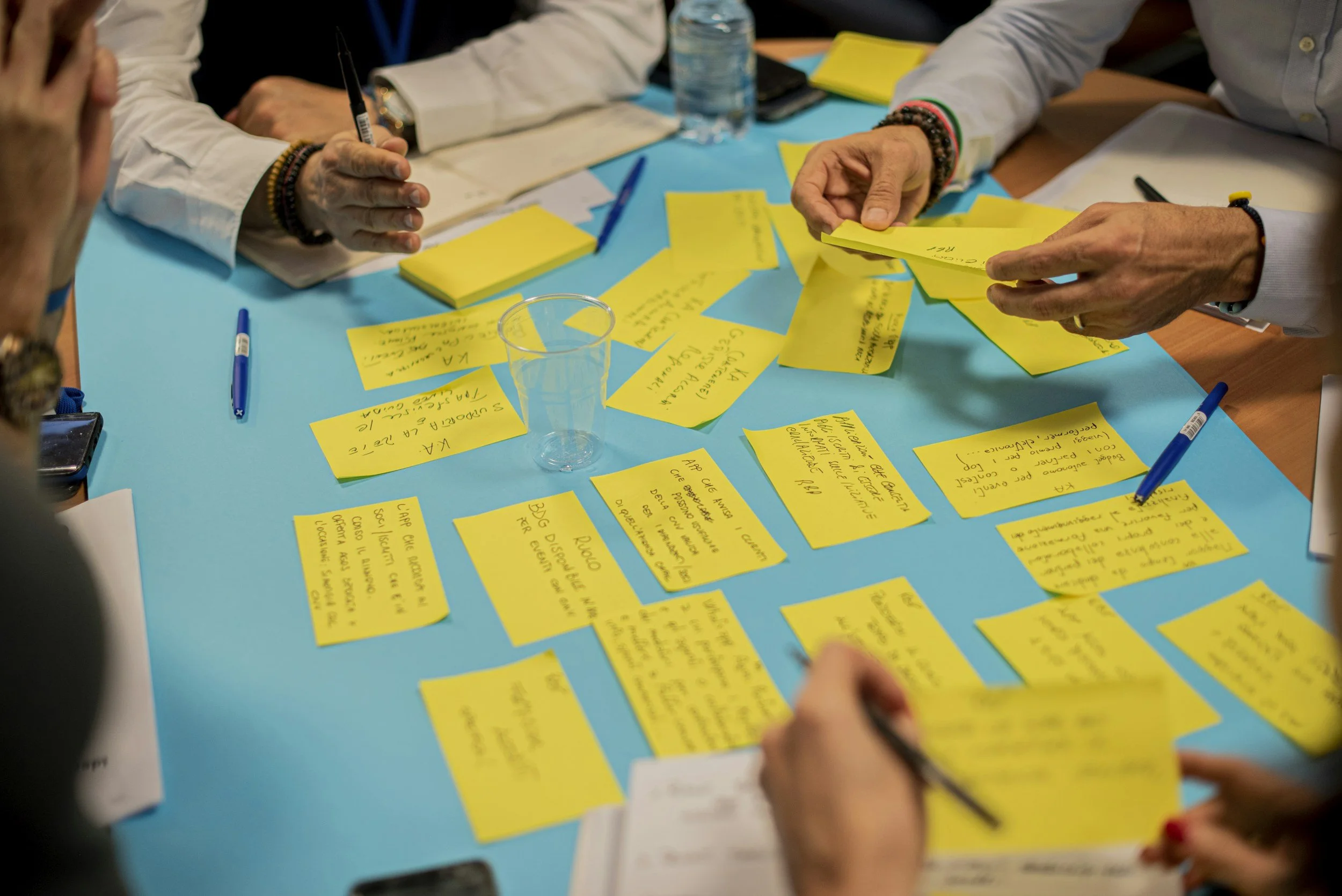
Client, stakeholder and community engagement
Connection and continuity during construction
Transition into occupancy and use
Post-occupancy reflection
Within Design Teams
Fostering creativity, connection, and fresh perspectives within the design process.
For architecture and multidisciplinary design teams looking to build stronger working relationships, refresh their approach, or make space for creative exploration.
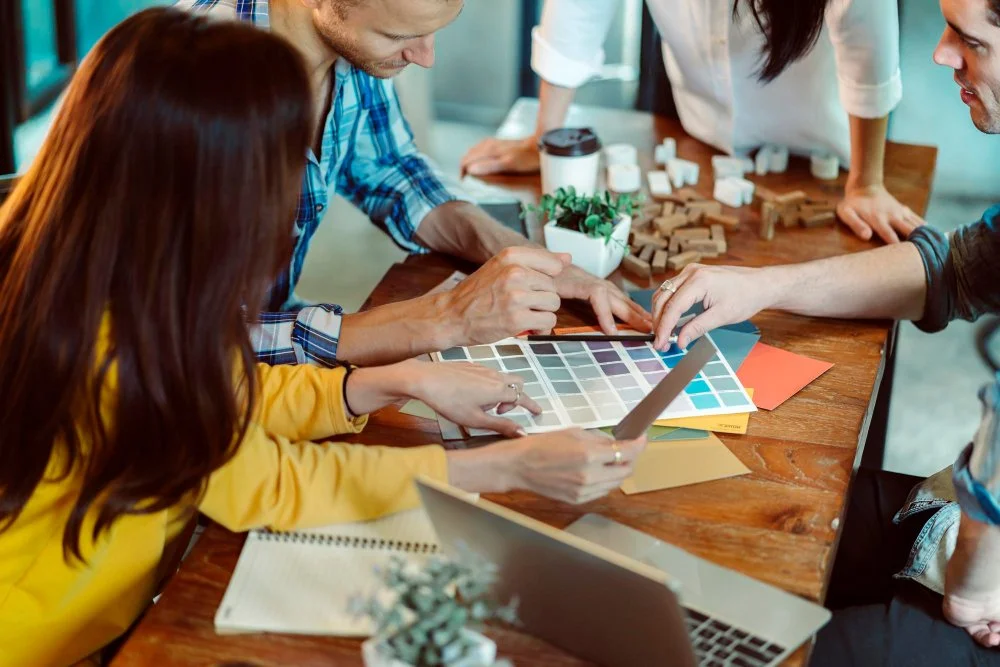
I facilitate experiential workshops rooted in expressive arts methods, inviting teams to step outside their usual routines and engage with one another and their work in different ways. This can be particularly valuable when a project feels stuck or the team needs a change of pace, as well as an opportunity to bring more play, reflection, and experimentation into the working process.
Sessions can focus on:
Team-building and collaboration
Creative exploration and experimentation
Stepping back from a project to see it with fresh eyes
Reflection on team dynamics and working relationships
Single Session (typically 3 hours) — Starting at $550
Three-Session Series (typically 3 hours per session) — Starting at $1,600
Each project is unique. Pricing depends on scope, group size, materials, and location.
Community + Stakeholder Engagement
Accessible ways for people to share their perspectives and help shape the places and spaces around them.
For projects where community participation matters, including engagement with residents, stakeholder groups, and First Nations and Indigenous communities.
Using expressive arts methods, I facilitate participatory workshops that create opportunities to contribute beyond conventional meetings, presentations, and verbal feedback. Activities such as drawing, writing, image-making, storytelling, and hands-on exploration offer different ways for participants to communicate what matters to them, share knowledge rooted in lived experience, and explore possibilities together.
Each process is shaped around the people involved, the project, and the context in which engagement is taking place.
Engagement processes can support:
Exploring community values, needs, priorities, and relationships to place
Making participation accessible through different modes of expression, including those that may be difficult to communicate through discussion alone
Building shared understanding of project goals and emerging design directions
Carrying community input across project kickoff, design, construction, and post-occupancy
Engagement can take the form of a single workshop, a series of sessions, or an ongoing process woven throughout the life of a project.
Pricing depends on scope, number of participants, facilitation needs, materials, and location.
Connection and continuity throughout the life of the project.
Collaborative processes can be woven throughout a project, from early visioning and design development through construction and into the experience of the completed space.
Each stage offers opportunities to explore emerging ideas and reflect on how the project is taking shape, with the human experience as the central focus.
Project kickoffs, shared visioning, and creative activities help teams and stakeholders explore priorities, values, and aspirations for the project.
At the beginning
As the design develops
Experiential workshops bring people back into the process to explore emerging ideas and decisions in relation to the vision established at the beginning.
During construction
Creative opportunities keep people connected as the project takes physical form, allowing them to follow its progress and see their contributions taking shape.
At project completion
Art-based reflection brings people together to revisit the journey, share learnings, and mark the transition into the completed space.
Behind my approach
My background in architecture and engineering gives me firsthand understanding of the roles, constraints, timelines, competing priorities, and communication that shape design projects.
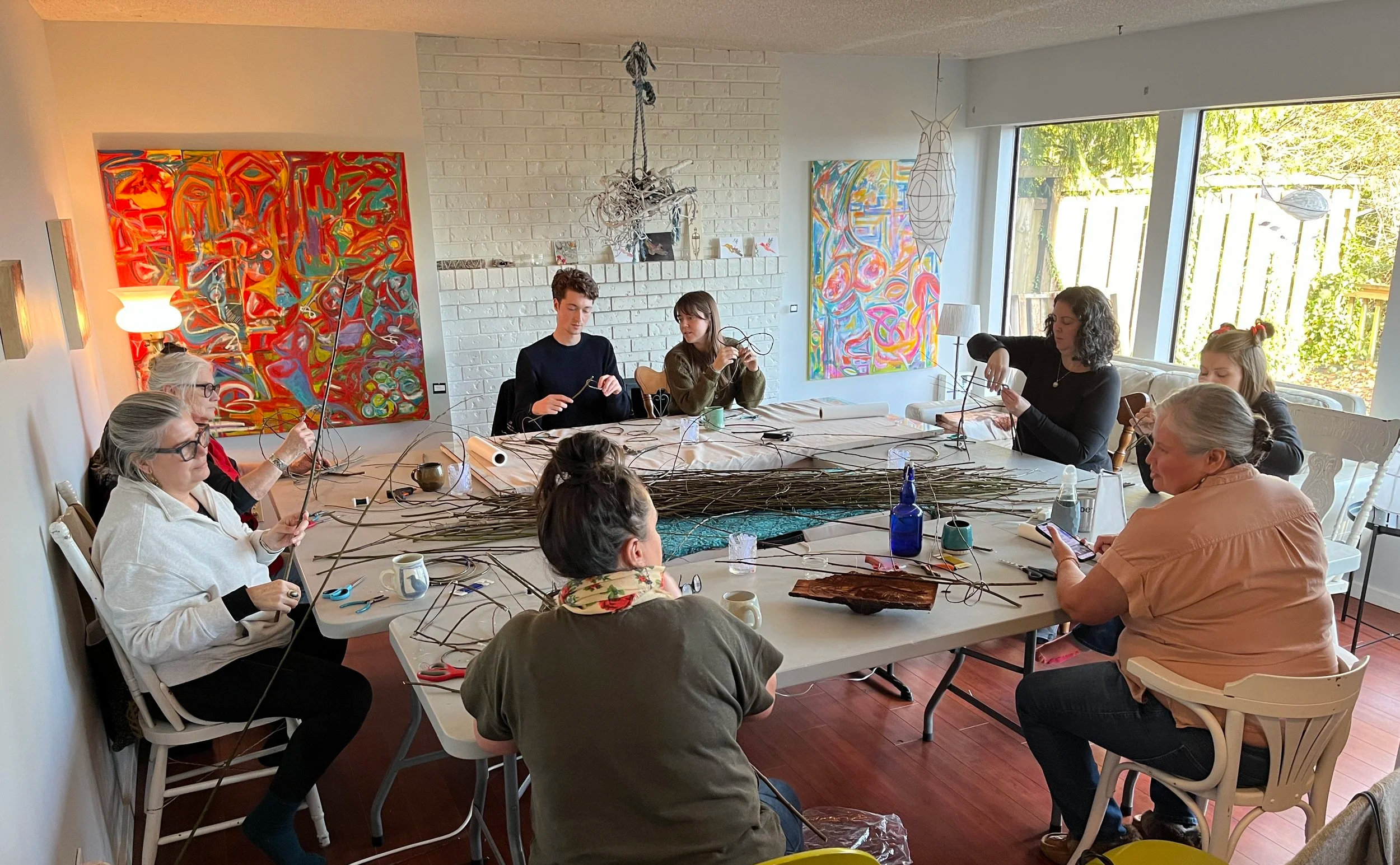
My expressive arts practice has given me years of experience designing and facilitating creative processes with diverse groups, from children and youth to seniors, community organizations, workplace teams, and First Nations organizations.
I bring these worlds together to support collaborative processes that are creative, structured, inclusive, and engaging.
Design facilitations sessions are not therapy. Expressive arts methods are used here as tools for communication, collaboration, and problem-solving within design projects and teams.
Looking for a facilitated workshop for a different kind of group?
Explore Expressive Arts Therapy Group Workshops.